DylanOoi*
JC1 at St Andrew's Junior College, Singapore. I run programmes, build the software they need, and keep the records that prove both: Organisation IC at Project Hope, founder of LeadSGP. Six programmes and seven builds below, each with its evidence.
( scroll )Programmes
( 06 · click a row )Project Hope is a student committee that fundraises for Make-A-Wish Singapore; I'm Organisation IC for 2026/27, a role won in May. I run organisation across its events calendar for the year. First up is a large fundraising carnival in early 2027, with more to follow through the term.
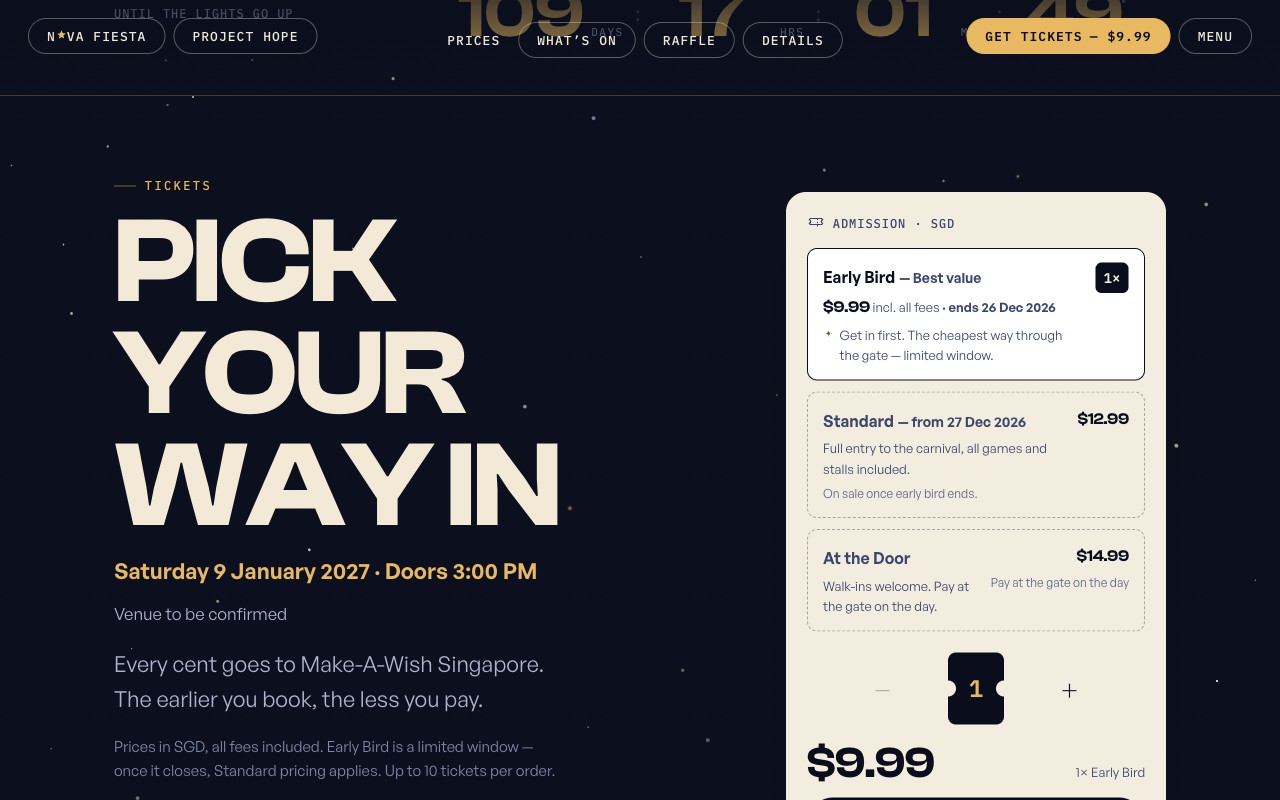
I drafted the event's full planning pack over one weekend: run sheet, budget with break-even scenarios, vendor tracker, venue brief and raffle spec. I also built the ticketing site in-house, so the event keeps 100% of what it raises.
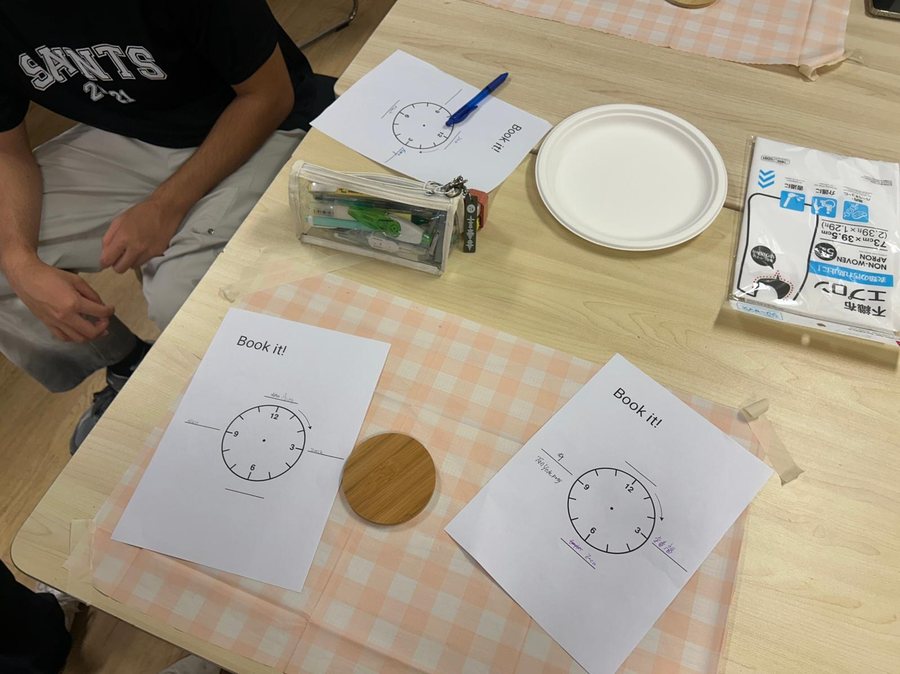
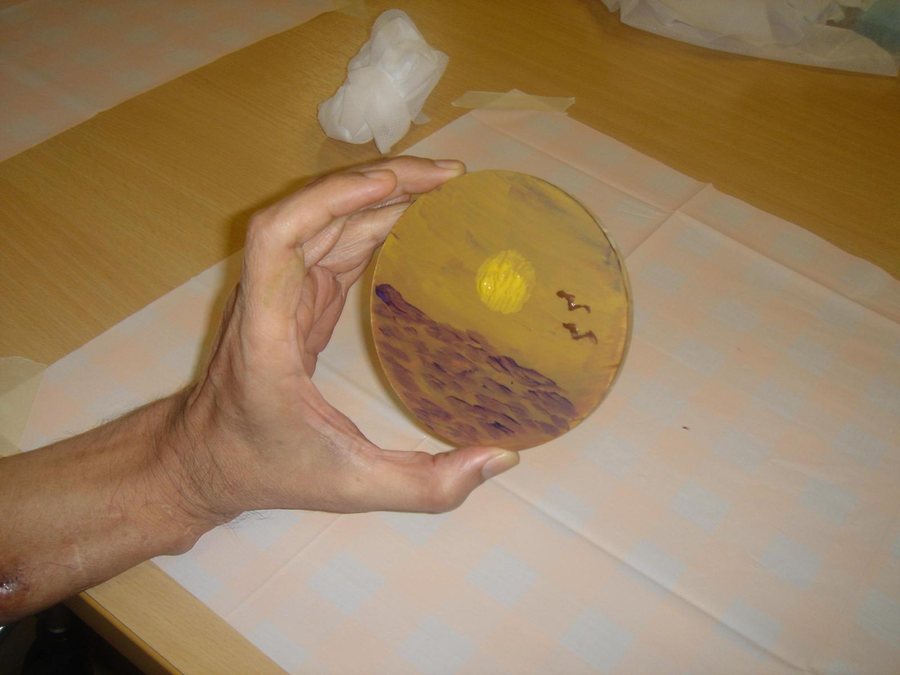
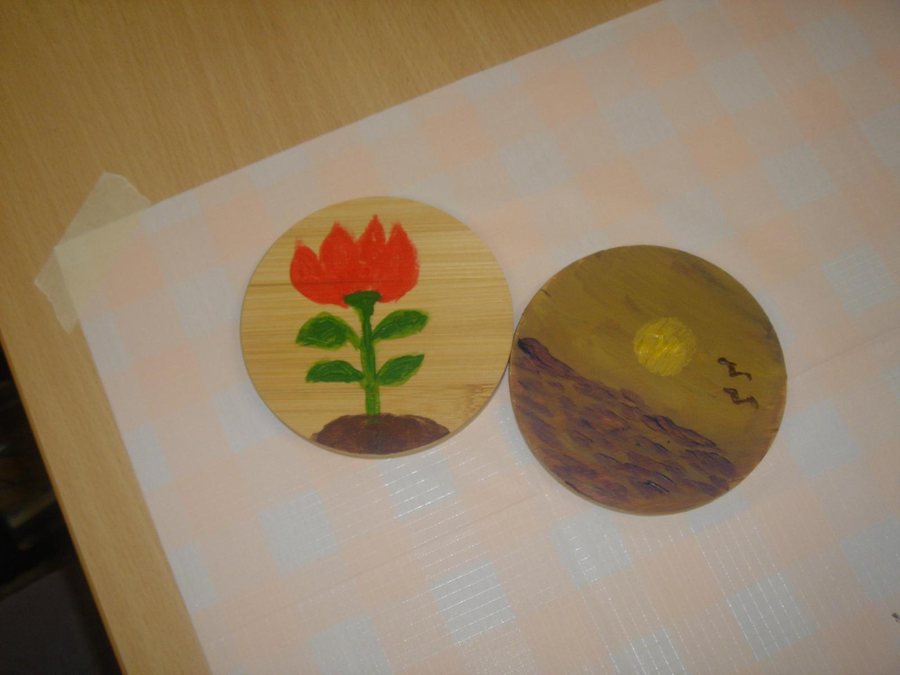
I founded Elaris: craft workshops pairing junior college volunteers with seniors in long-term care, funded by a S$1,200 Youth For Causes grant. When the first partner fell through with zero sessions run, we rebuilt the programme with Ren Ci in under three weeks of calls and emails.
Both August sessions ran as designed: 1 volunteer to 1 resident, visual demonstrations, photos of hands and crafts only. The second run is confirmed: eight sessions from November to February, ending with a showcase of the residents' work, with two further student teams starting alongside.
I founded LeadSGP in 2025 as a student-run volunteering network; it grew to 41 members. Its main programme, After the Shift, is a community sports day with migrant workers at the Terusan Residents' Committee grounds: Run 1 in March 2026 drew around 50 participants, and Run 2 followed in June.
Along the way we made contact with 33 organisations, including a digital-literacy pilot agreed in principle with NTUC Health, a community health and eldercare provider. I'm now handing the network over to focus on Project Hope.
A team tackling the gap between volunteering intent and action in Singapore. It started as WeServeTogether at the Ministry of Education's Pre-University Seminar and continues as TalentOpus. I co-led the founding group and demoed a live prototype at the NUS showcase.
A booth conversation with the co-founder of Impart, a Singapore youth charity, turned into a meeting at their office; we took the pivot advice and rebuilt the plan. The prototype now covers the full volunteer and organisation journeys, and a pilot with TalentTrust, a skills-based volunteering charity, is being explored.
A sports day where students and migrant workers play on the same teams, with cricket as the centrepiece. I revived the dormant project, recruited a committee of 9, and wrote the 2027 plan: 150 to 200 workers, a partnerships map, and a retention plan so the committee stays engaged until the event.
I'm also coordinating SAJC's volunteers for the Ministry of Manpower's International Migrants Day event this December.
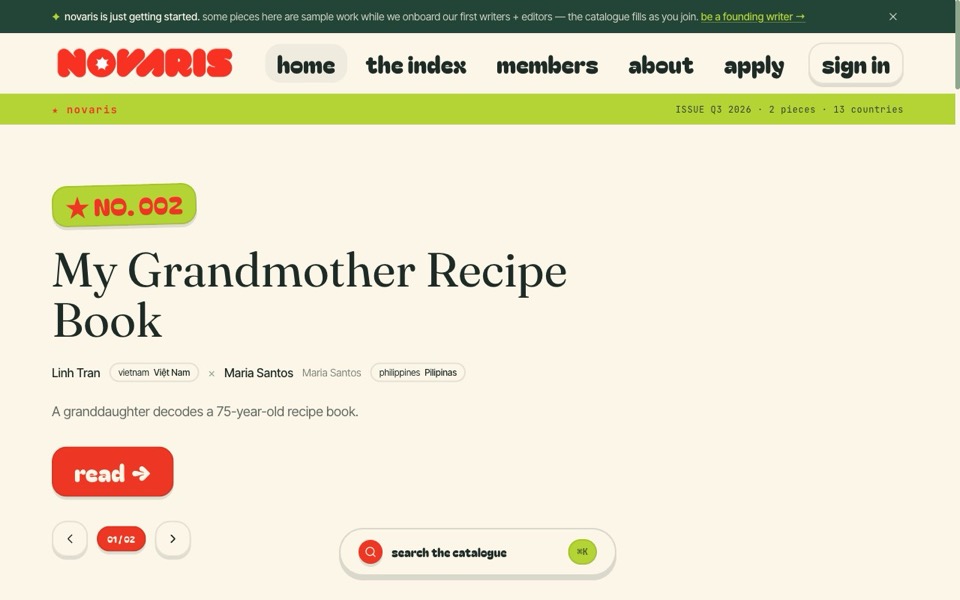
A platform pairing young policy writers with country editors, publishing through Novaris Notes. I built the application and onboarding stack (Next.js, Cloudflare Workers) and drafted the publisher agreement template; an agreement was negotiated with an Indian youth organisation.
The June mentoring fellowship was wound down when the timeline proved too tight; the platform continues. Current goal: the first published co-written piece.
Every claim traces to a record.
No inflated numbers. Prototypes labelled as prototypes. The unshipped app stays on the page, marked unshipped. Volunteer hours logged the same day with a link to proof, checked by someone who isn't me. The trading book follows the same rule: marked to market three times a day, ledger append-only, so a result can’t be rewritten after the fact.
Evidence

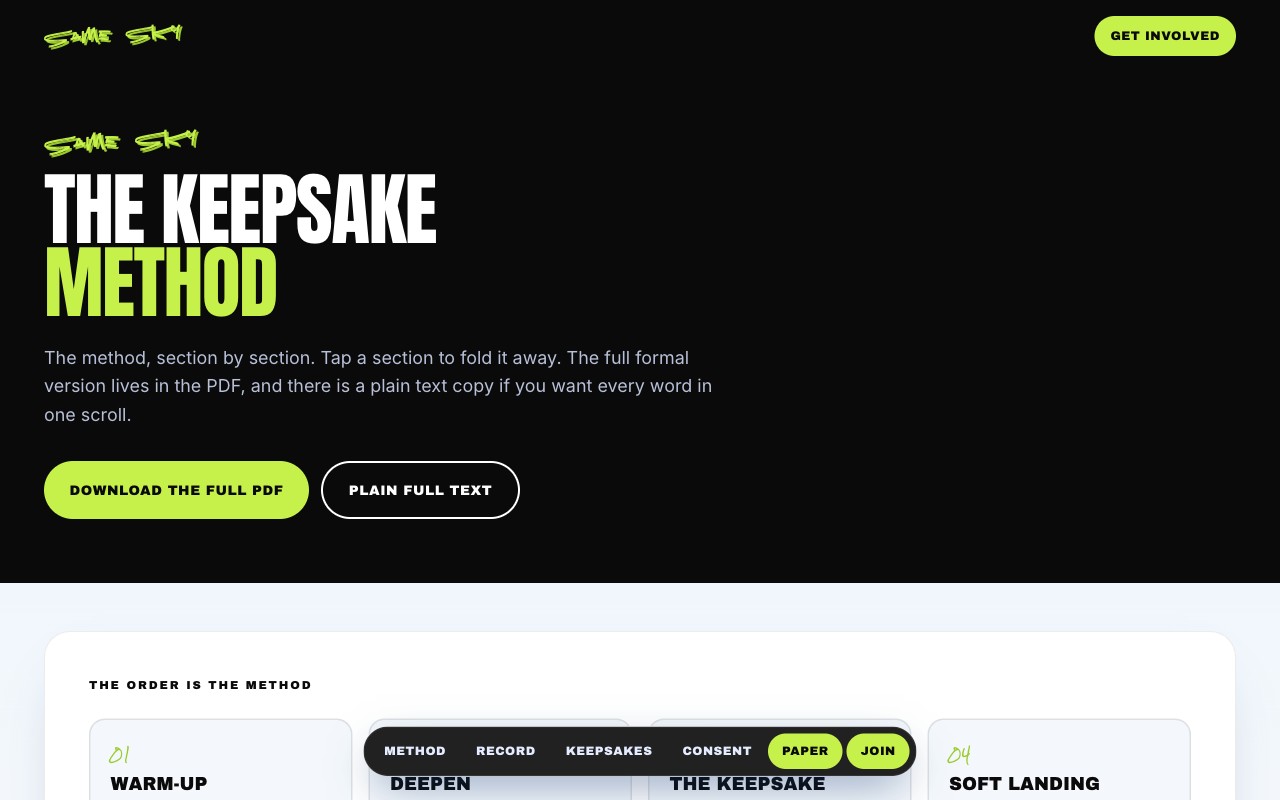

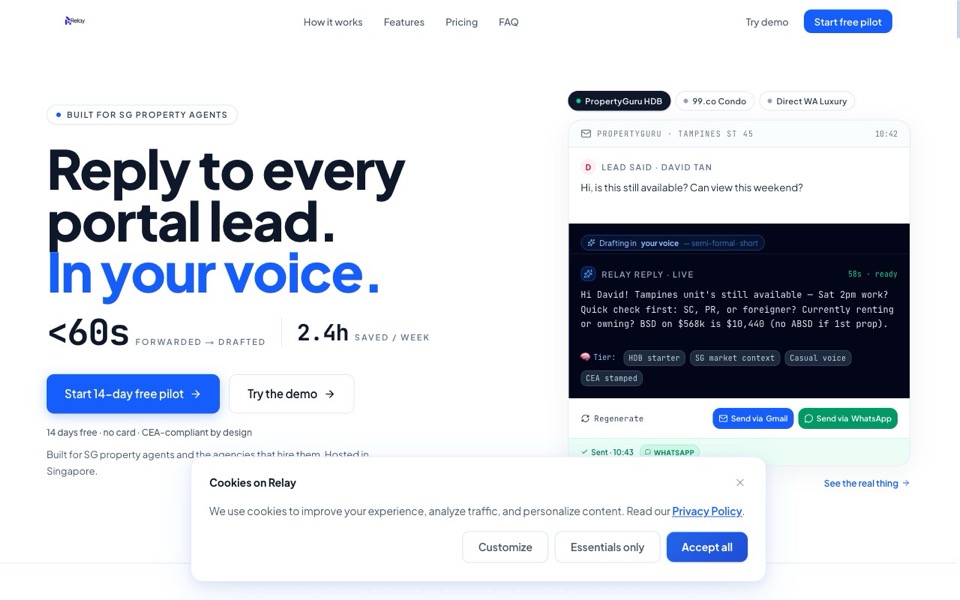
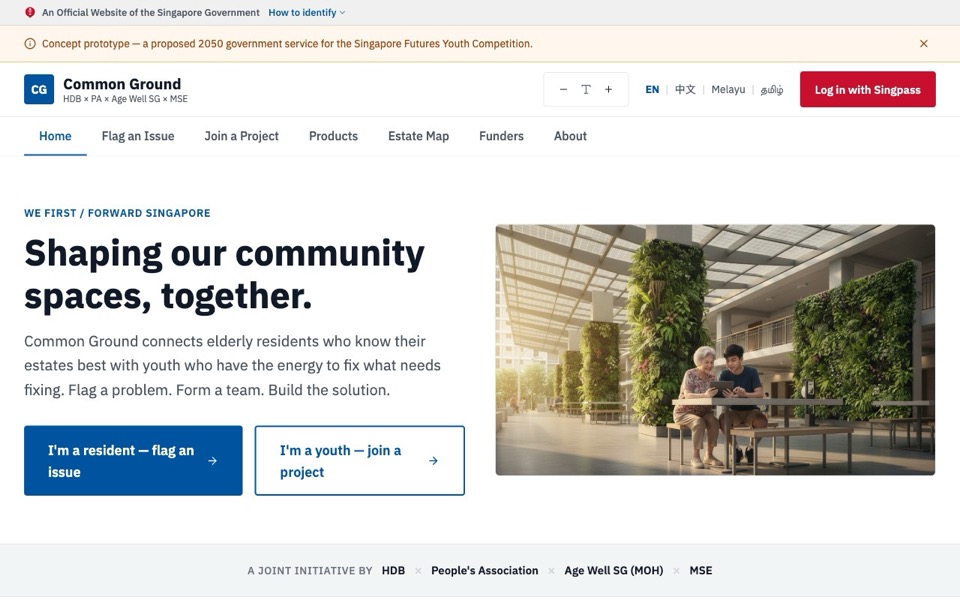
Builds
( 07 · five live )Record, 2026
( highlighted · awards / * · photograph )About
I came into SAJC on a badminton DSA and spent the year finding out the same skills that run a training block also run a programme: a plan, a roster, a debrief, and someone who owns the outcome. The software exists because the programmes needed it, not the other way round.
Most of this ships AI-first: agent pipelines for research, operations and code. The agents draft, I check and sign off, and the record shows what actually happened. The real skill is knowing what to hand a model and what to do myself.
The layer I want to understand next sits above both: how capital decides which programmes and which software get to exist at all. That’s what the economics application is for, and why the trading book, the grant files and the budget packs all keep ledgers.
The working notes behind all of this, including what it cost and what went wrong, are on the notes page.